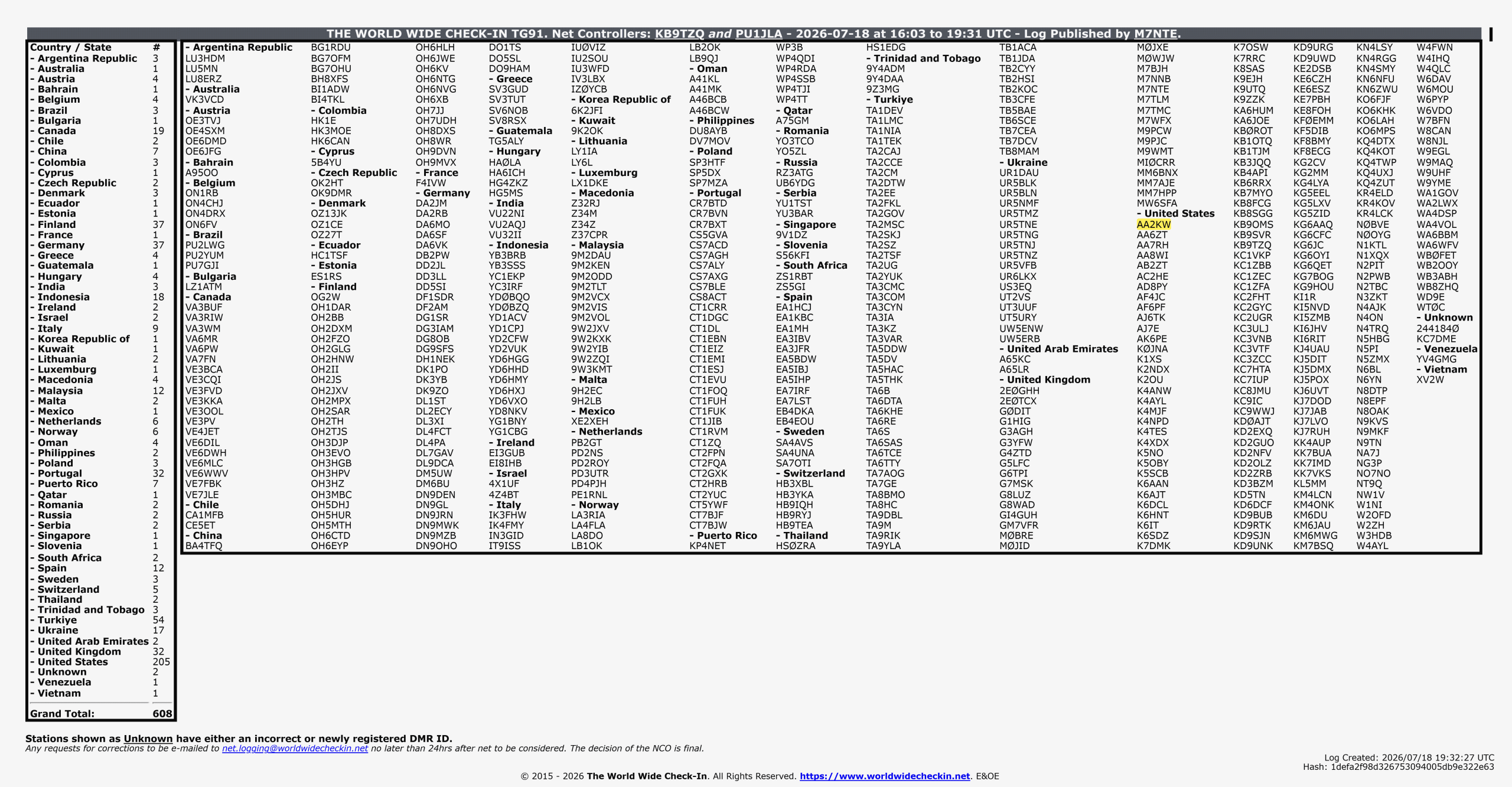
A few days ago was my first-ever successful DMR (digital mobile radio) activity (blog article). Today was my second — I participated in a World Wide Check-In. Continue reading “Second successful DMR activity”

Bluesky: @oppedahl.com
A few days ago was my first-ever successful DMR (digital mobile radio) activity (blog article). Today was my second — I participated in a World Wide Check-In. Continue reading “Second successful DMR activity”
(Update: my second-ever successful DMR activity was participation in the July 18, 2026 World Wide Check-In.)
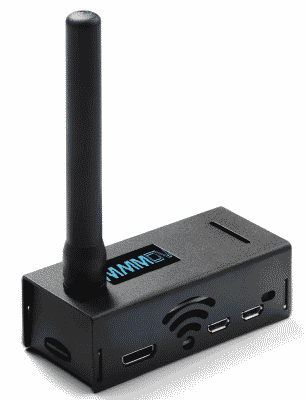
It turns out that there is a thing called DMR or digital mobile radio (Wikipedia article). This is a thing that some radio amateurs do. To do DMR, you use a “hot spot” such as the one shown at right. It uses an antenna to transmit and receive on the 70-centimeter radio band, and it connects to the Internet via wifi.
Long-time PCT enthusiasts will appreciate that in recent years, there have been few opportunities in the US to get high quality PCT training with more than one experienced presenter on the dais.
Such PCT enthusiasts will likewise appreciate that in recent years, there have been few opportunities in the US to get high quality PCT training of such depth and breadth as to call for more than one day of training.
Now for the first time since before Covid, attend a multi-day live in-person Patent Cooperation Treaty seminar in the US taught by two experienced presenters. This training will take place in beautiful Colorado, near the Denver airport.
Maybe also attend an optional half-day program specifically directed to docketing of the PCT!
Loyal readers of this blog are encouraged to subscribe, if they have not already done so. Loyal readers of this blog are also encouraged to use coupon codes (which expire July 28) for discounts on the registration fees:
For more information, or to register, click here.
(Update: now you can register for this PCT seminar. See this blog posting.)
Save the date! The next PCT Seminar will be September 22-24, 2026 near the Denver airport.
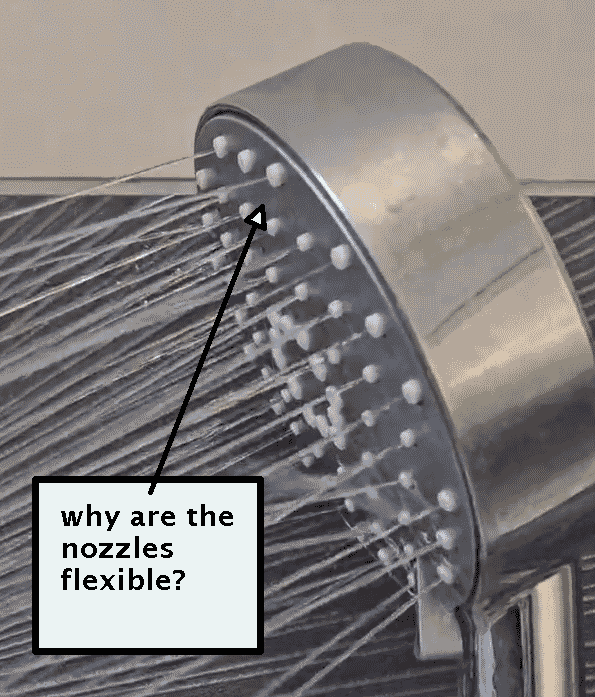
Over and over again I somehow stumble upon or learn about a thing that seemingly almost everybody else already knew. Today’s question is, why are shower head nozzles flexible? You probably already know why, in which case please post a comment below. Anyway, here is what I figured out about flexible shower head nozzles. Continue reading “Why are shower head nozzles flexible?”
Now there is an Office Action in the red-hair-and-tinsel trademark application (previous blog article). You can see the TSDR page and the Office Action. The Examining Attorney gives several bases for refusal:
I am intrigued to hear about a WIPO initiative called the “Global IP Assignment Platform” (GIPAP). I suggest that interested practitioners and IP owners register for one of these upcoming WIPO webinars. Continue reading “Global IP Assignment Platform (GIPAP)”
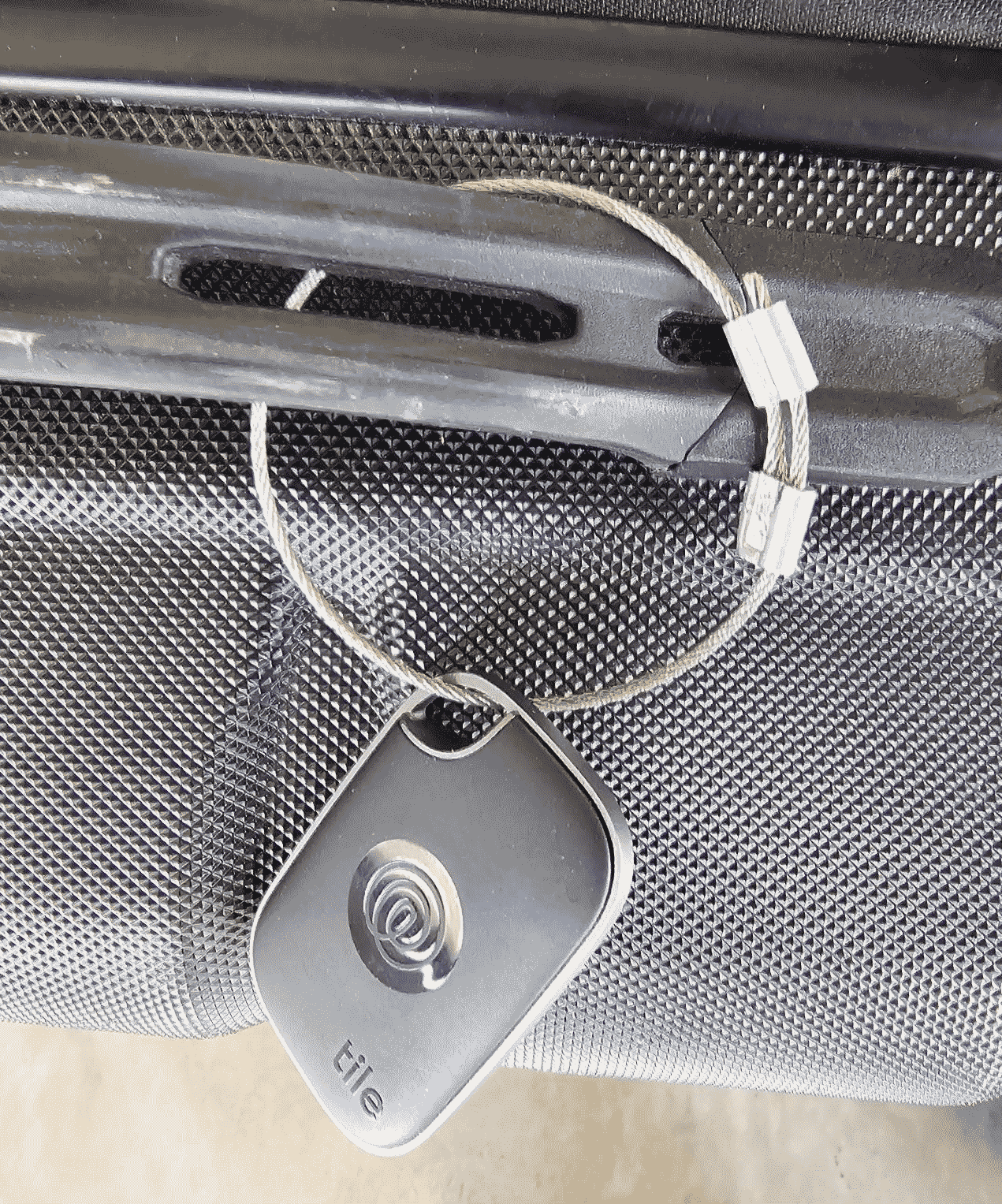
It will be recalled (blog article, April 30, 2026) that recently I had a luggage tracking tag get knocked loose from my suitcase and the tag ended up at an airport in Portugal. Thanks to comments from loyal readers, I was inspired to try harder on this. Continue reading “New effort to secure a luggage tracking tag”

The Trademark Office at the USPTO does not handle Unicode characters well. This blog post discusses a recent example of this. Continue reading “USPTO handling Unicode poorly in trademarks”
Well, the unspoken thing has just been spoken. “The only other thing I can recommend is just use [Microsoft] Word.”
Continue reading ““the only other thing I can recommend is just use Word” – EBC advice”