
Today I did an experiment. The goal was to find out whether ChatGPT can replace me for some patent tasks. It seems the answer is “yes”. Continue reading “It seems ChatGPT can replace me for some patent tasks”
Second successful DMR activity
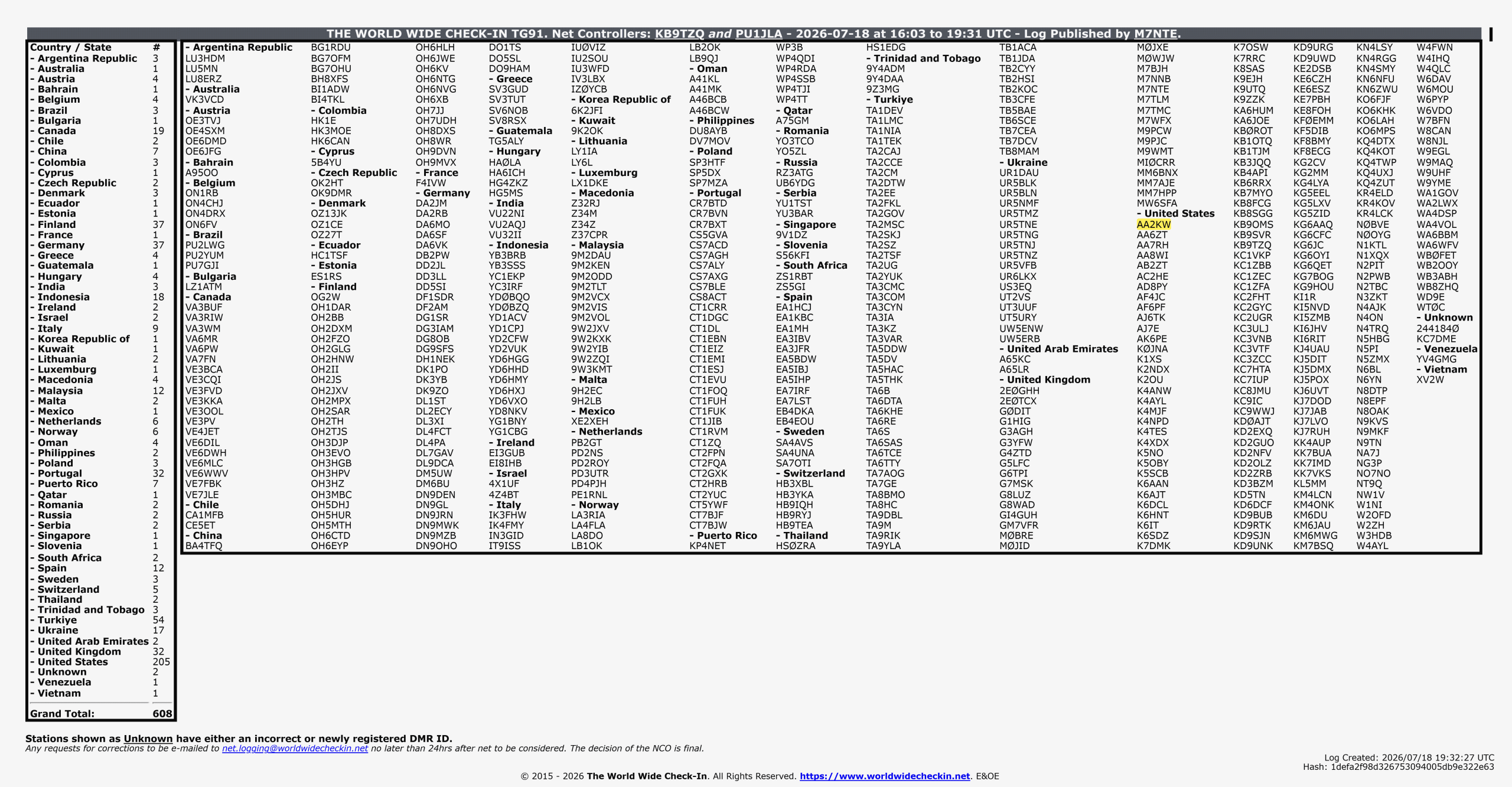
A few days ago was my first-ever successful DMR (digital mobile radio) activity (blog article). Today was my second — I participated in a World Wide Check-In. Continue reading “Second successful DMR activity”
First successful DMR activity
(Update: my second-ever successful DMR activity was participation in the July 18, 2026 World Wide Check-In.)
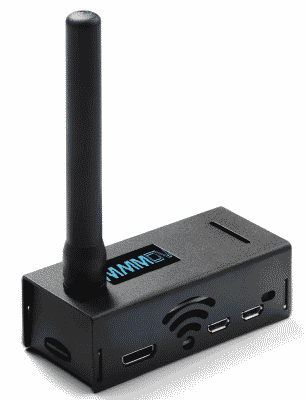
It turns out that there is a thing called DMR or digital mobile radio (Wikipedia article). This is a thing that some radio amateurs do. To do DMR, you use a “hot spot” such as the one shown at right. It uses an antenna to transmit and receive on the 70-centimeter radio band, and it connects to the Internet via wifi.
Why are shower head nozzles flexible?
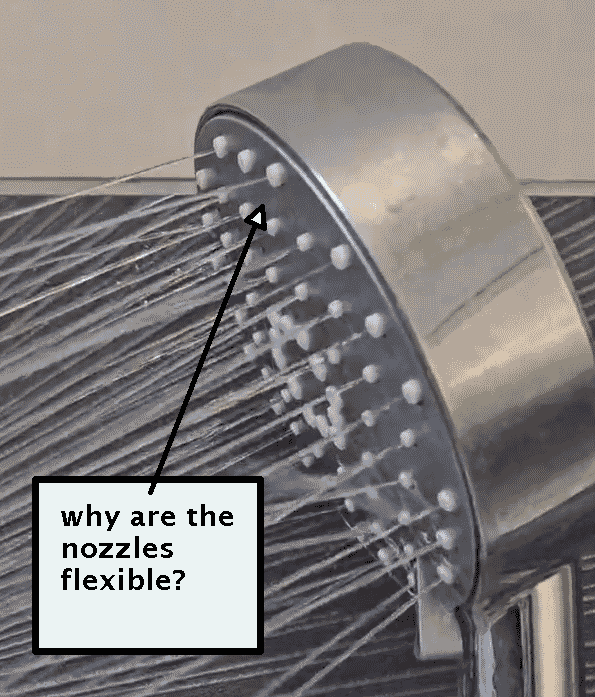
Over and over again I somehow stumble upon or learn about a thing that seemingly almost everybody else already knew. Today’s question is, why are shower head nozzles flexible? You probably already know why, in which case please post a comment below. Anyway, here is what I figured out about flexible shower head nozzles. Continue reading “Why are shower head nozzles flexible?”
Global IP Assignment Platform (GIPAP)
I am intrigued to hear about a WIPO initiative called the “Global IP Assignment Platform” (GIPAP). I suggest that interested practitioners and IP owners register for one of these upcoming WIPO webinars. Continue reading “Global IP Assignment Platform (GIPAP)”
New effort to secure a luggage tracking tag
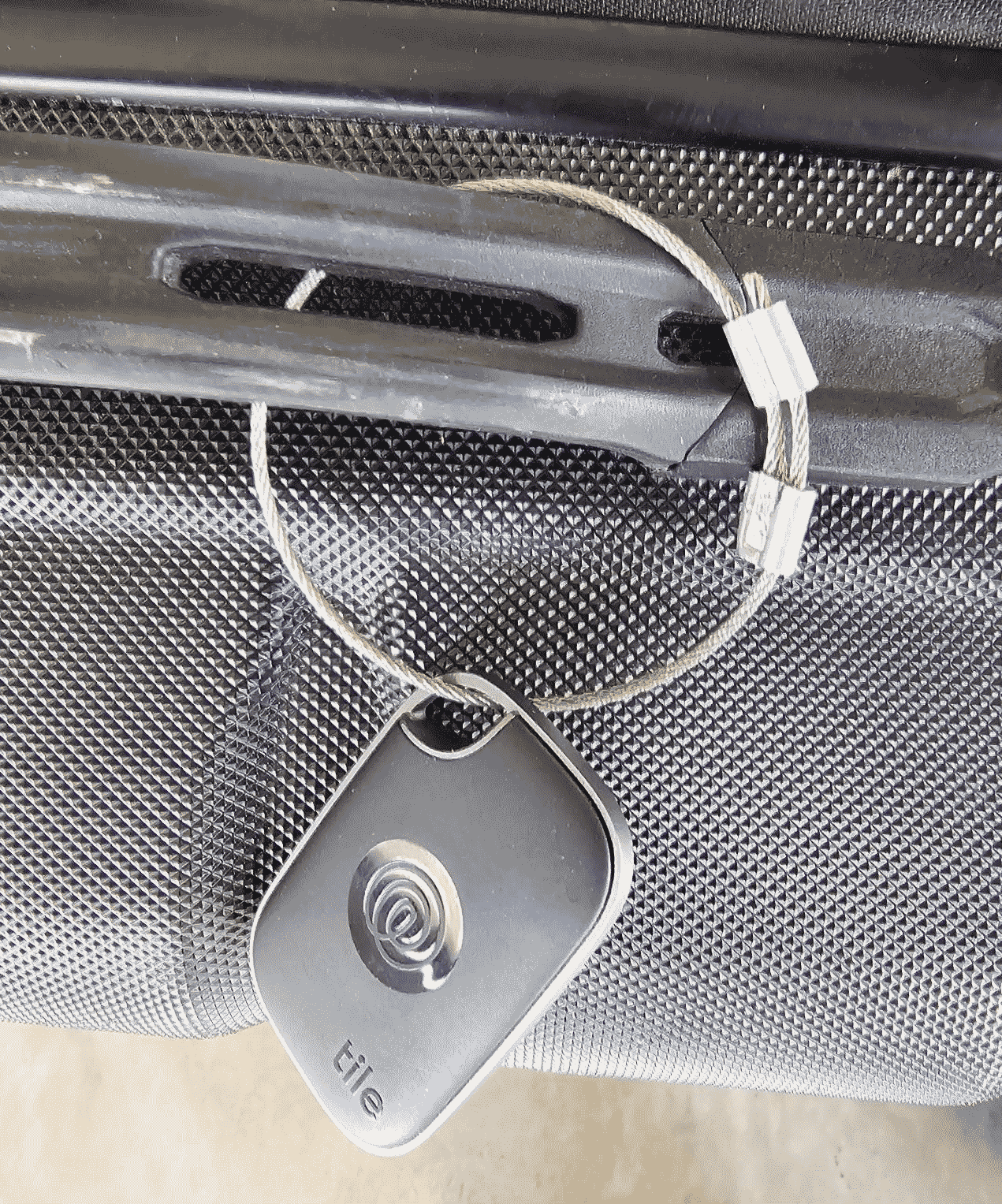
It will be recalled (blog article, April 30, 2026) that recently I had a luggage tracking tag get knocked loose from my suitcase and the tag ended up at an airport in Portugal. Thanks to comments from loyal readers, I was inspired to try harder on this. Continue reading “New effort to secure a luggage tracking tag”
USPTO handling Unicode poorly in trademarks

The Trademark Office at the USPTO does not handle Unicode characters well. This blog post discusses a recent example of this. Continue reading “USPTO handling Unicode poorly in trademarks”
End-to-end RCS encryption soon to come to iPhones

After many years of foot-dragging, Apple is reluctantly making end-to-end encryption available for RCS messaging. Continue reading “End-to-end RCS encryption soon to come to iPhones”
My luggage tracking tag ended up in Portugal

Update: I switched from nylon ties to steel cable to attach a luggage tracking tag to a suitcase. See blog article.)
I use luggage tracking tags. As you can see from the map at right, it looks like my medium-sized suitcase is at Porto Airport in Portugal. Actually the suitcase is with me right now at home in the mountains of Colorado. What explains this? Continue reading “My luggage tracking tag ended up in Portugal”
Adding a barometric pressure sensor to a Meshtastic rooftop solar node
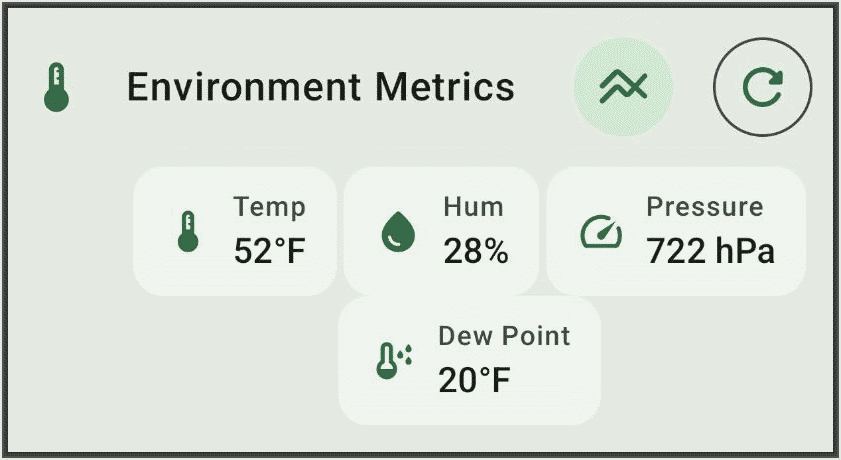
Recently I added an environmental sensor to a rooftop solar meshtastic node. This provides telemetry of temperature, humidity, and barometric pressure. In this article I describe what was required to accomplish this. Continue reading “Adding a barometric pressure sensor to a Meshtastic rooftop solar node”