
 It turns out that anybody who wants to, can publish things on SSRN (Wikipedia article). SSRN, it will be recalled, is an initialism for Social Science Research Network (web site). To test this out, I created an account at SSRN and uploaded The Fool’s Errand that is DOCX. You can see it here: https://ssrn.com/abstract=4346907. This blog article describes the process and the results. Continue reading “Publishing things on SSRN!”
Paint first or glue first?
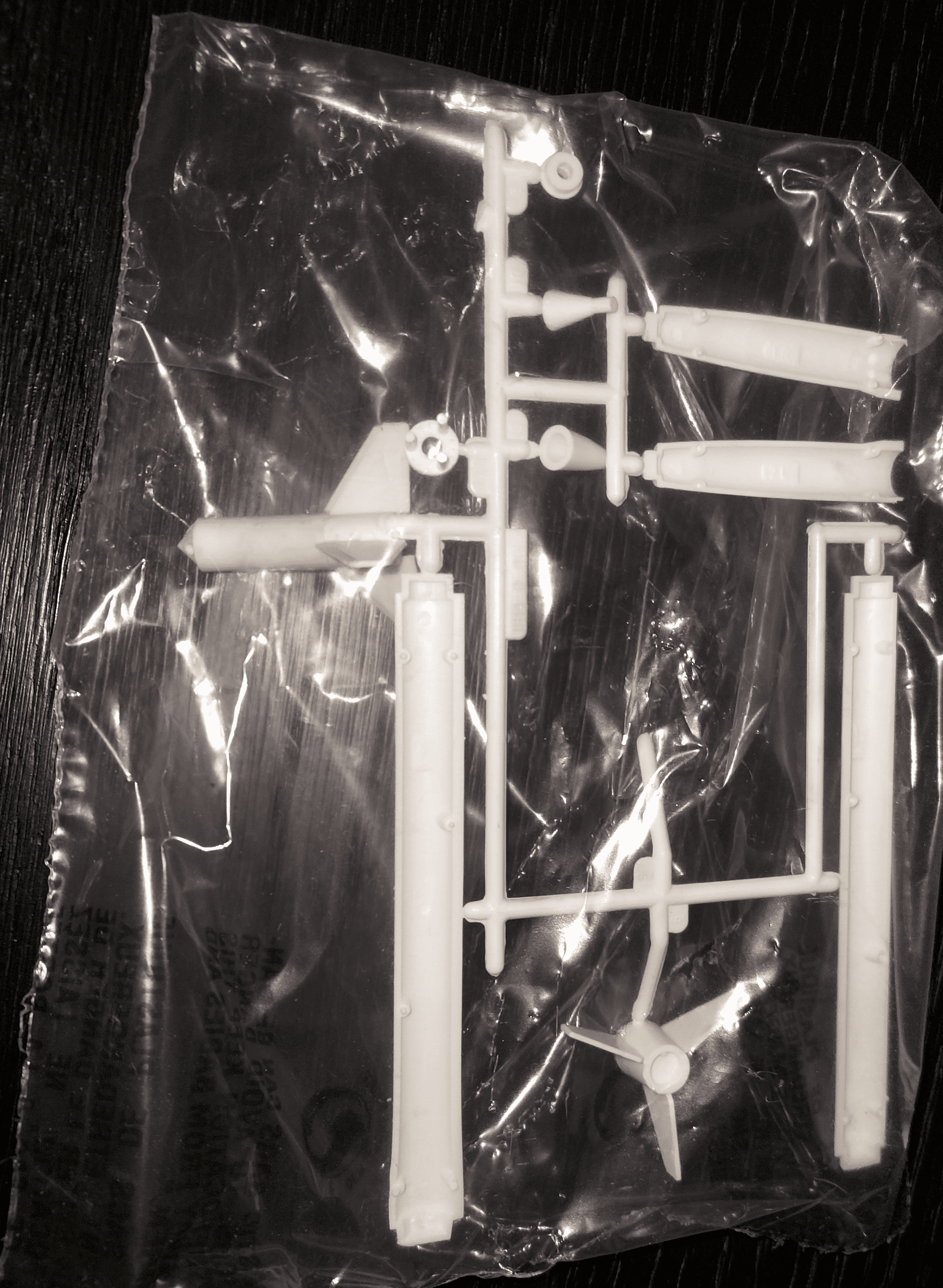
Folks, the subject line says it all. When I am assembling a plastic model kit, should I glue the parts together, and then paint the parts? Or (as the instructions seem to suggest) should I paint the parts first, and then glue them together? Continue reading “Paint first or glue first?”
How clamp-on DC ammeters work

I imagine many readers of this blog have some idea how a clamp-on AC ammeter works. You have some wire with AC current in it, and you open the jaws of a clamp-on meter and you close them around the wire. The alternating current makes a constantly changing magnetic field around the wire. It is a fairly realistic goal for the jaws to capture basically all of the lines of (constantly changing) magnetic flux surrounding the wire. If you have the luxury of being able to assume that the frequency is known (and depending on the continent where you are located, this may well be a safe assumption), you can proceed in a very straightforward way to design a simple and inexpensive and quite accurate AC ammeter. I have had this Micronta (Radio Shack) meter (seen at right) in my tool kit for some fifty years now, and it has served me very well.
But nowadays there are clamp-on DC ammeters. A wire carrying a DC current does not (by definition it does not!) generate any changing magnetic field! A traditional meter like the one described above has nothing to measure if it is clamped onto a wire containing a DC current. How can a clamp-on DC ammeter possibly measure a (perhaps constant) DC current? Continue reading “How clamp-on DC ammeters work”
Diatomic carbon

One of my pastimes is trying to guess which sound bites, if uttered at a cocktail party, might lead to the turning of heads and might lead to other party guests clustering around with great interest. (See past blog articles.) Here is another: diatomic carbon. Continue reading “Diatomic carbon”
The best kind of charity
The religious scholar Maimonides from 900 years ago (Wikipedia article) wrote about lots of things including the best kinds of charity. He fingered a telltale: what if the donor gives anonymously? The anonymous gift of charity is the highest kind of charity, said this religious scholar.
Which brings me to the strong emotions that I felt as I read a flurry of recent news stories about a fellow in a rural part of Alabama who did not have very much money, but who (after his recent death, it comes out for the first time) had been dropping by a local pharmacy for some ten years and had been handing the pharmacist a $100 bill each month with instructions that the money should be applied toward prescriptions for people who could not afford their drug prescriptions.
One of his very strict instructions to the pharmacy was that nobody was to be told where the money came from. Continue reading “The best kind of charity”
Setting up a VLAN for your IOT devices
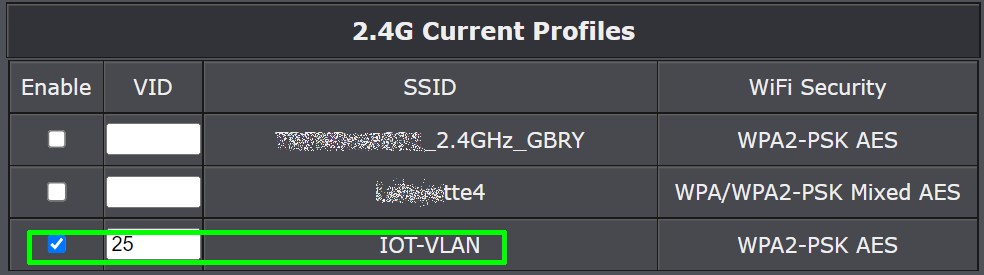
Each time I install another internet-of-things (“IOT”) device in my home, it is always the same: the device requires that I tell it the wifi password for the Internet connection in my home. The app that needs to be installed on my smart phone to get the IOT device working also asks lots of intrusive things, and demands to be given access to my “location”. This leads to a situation where the IOT device could be a security risk for trusted devices on my local area network. What can be done to reduce or eliminate the security risks presented by the dozens of IOT devices in my home? Part of the answer is to set up a VLAN (virtual local area network). Then the IOT devices are denied any opportunity to have any access to my trusted devices. I will describe how this is done.
A law review article about wind energy
Forty-one years ago, I co-authored a law review article in the Harvard Environmental Law Review promoting the use of wind energy. You can see it here:
Carl Oppedahl & Mary E. Tarduno, Wind Energy Conversion, 5 Harv. Entl. L. Rev. 431 (1981).
Making a circuit breaker panel less dangerous
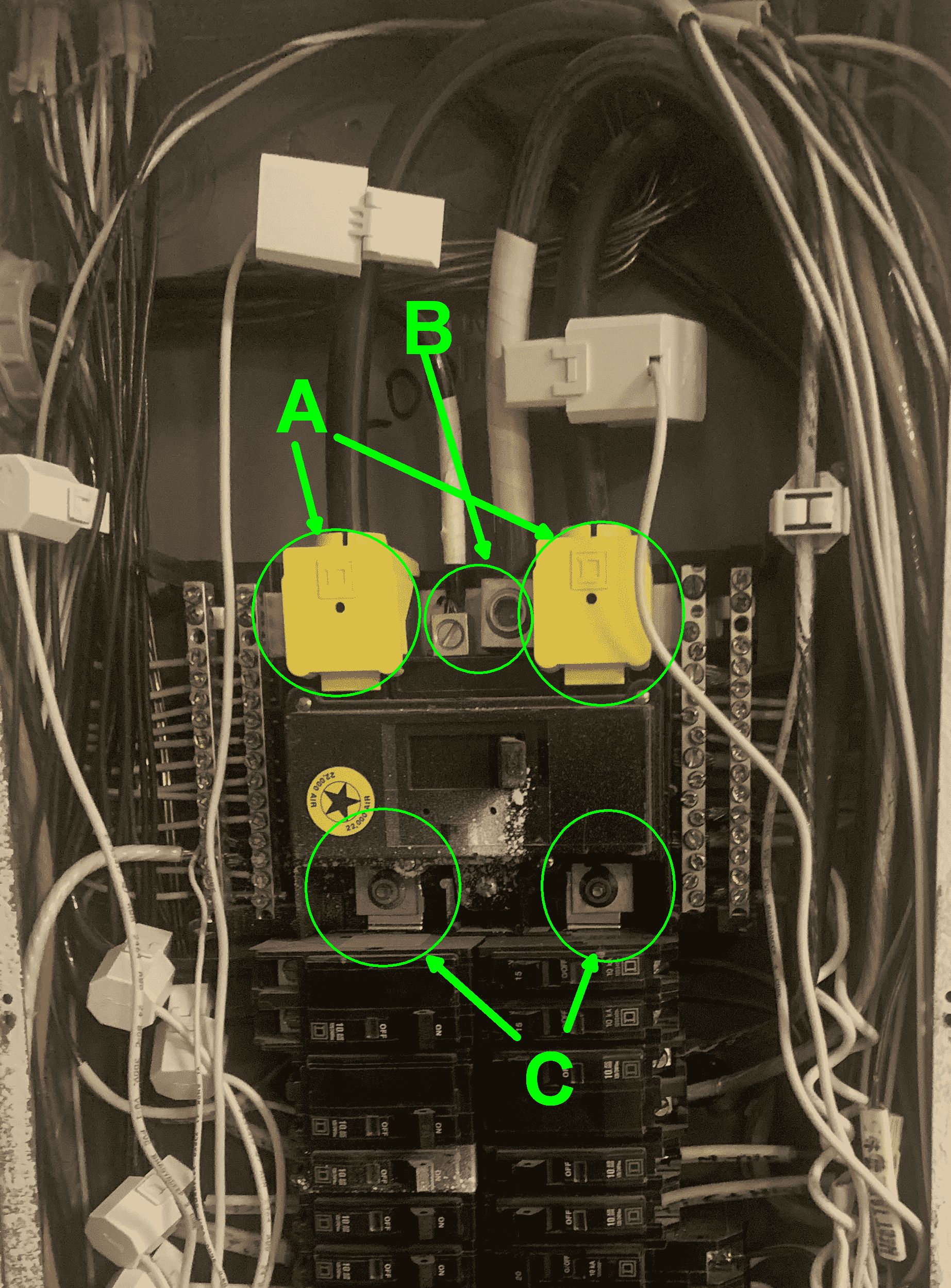
This blog article talks about a situation that comes up frequently in all of our daily lives — removing the front cover of a circuit breaker panel and working on the panel. The main point of today’s article is that in the circuit panel shown at right, we recently added the two yellow caps shown at A. This makes the circuit breaker panel less dangerous. Continue reading “Making a circuit breaker panel less dangerous”
D-Link IOT cloud evaporates

I was astonished to hear from D-Link that it has shut down its cloud that makes its smart plugs work. Pictured at right is one of the three DSP-W110 smart plugs that I purchased from D-Link in 2016. I still own the plugs and one of the plugs still has a device plugged into it — a table lamp.
But as of today, I cannot turn the lamp on or off using the app on my smart phone. As of today, the D-Link smart plugs don’t do anything any more. Continue reading “D-Link IOT cloud evaporates”
Red night lights

Many readers know that during World War II, military aircraft used red internal lighting. Pilots used red flashlights to view maps while in flight. The reason for using red is that if ordinary full-spectrum (white) light had been used, this would spoil the “night vision” (vision using rods instead of cones). Red light does not harm night vision as much as white light. This blog article talks about using night lights around the house that are red instead of white. Continue reading “Red night lights”